

The market for research peptides tested for purity operates at the intersection of biotechnology advancement and procurement strategy, where supplier selection depends on verifiable quality standards, regulatory compliance documentation, and transparent supply chain practices. For organizations evaluating sourcing options in 2026, the decision framework centers on three fundamental criteria: analytical certification proving peptide identity and purity (typically 95% or higher via HPLC), vendor adherence to Good Manufacturing Practice protocols, and comprehensive documentation supporting research-only applications.
Understanding this market requires examining both the supplier landscape and the underlying business dynamics. The global research peptide sector has evolved from a niche biochemical supply category into a structured market segment serving pharmaceutical development, academic research institutions, and biotechnology companies. Procurement professionals now employ quantitative methods to assess supplier reliability, comparing third-party testing results, batch consistency data, and pricing structures across multiple vendors.
Market intelligence reveals significant variation in supplier capabilities. Established biochemical manufacturers typically offer validated synthesis processes and quality assurance systems comparable to pharmaceutical-grade standards. Smaller specialty suppliers may provide competitive pricing but require additional due diligence regarding production methods and testing protocols. The gap between entry-level and premium-tier suppliers often manifests in documentation thoroughness, customer support infrastructure, and willingness to provide certificates of analysis for each batch.
This analysis examines the commercial landscape for research peptide procurement, providing decision-makers with frameworks for supplier evaluation, pricing benchmarks, quality verification strategies, and risk mitigation approaches essential for developing informed sourcing strategies in the biotechnology supply chain.
Market Size and Growth Trajectory Analysis
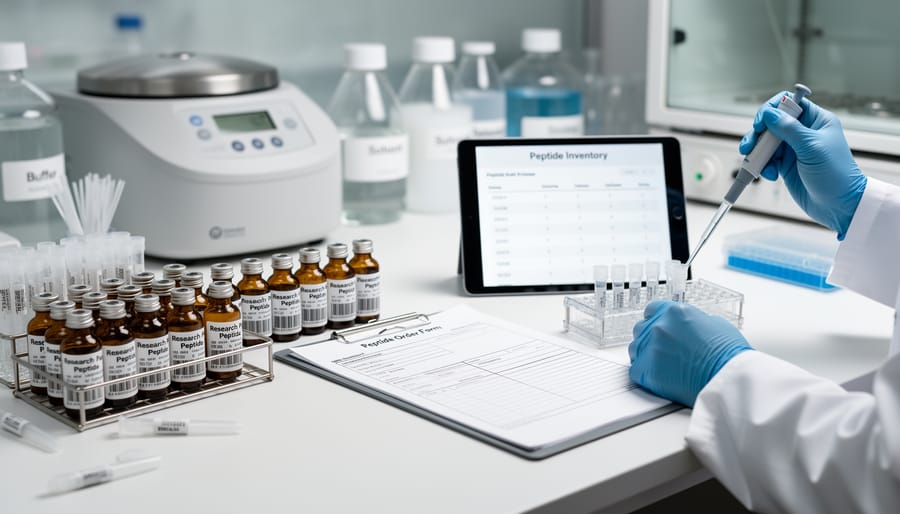
Demand Drivers in Academic and Commercial Research
Pharmaceutical R&D investment represents the dominant catalyst for research peptide demand growth. Global pharmaceutical companies allocated approximately $245 billion to research and development in 2025, with peptide-based therapeutics comprising an expanding segment of development portfolios. This investment translates directly into increased procurement of research-grade peptides for preclinical studies, mechanism-of-action research, and formulation optimization.
Academic research funding creates parallel demand channels through government grants and institutional budgets. The National Institutes of Health maintained peptide-related research funding above $3.2 billion annually, supporting thousands of projects requiring synthetic peptides for protein interaction studies, receptor binding assays, and cellular pathway investigations. European and Asian research councils demonstrated comparable commitment levels, collectively sustaining a global academic market worth over $800 million.
Therapeutic development pipelines further accelerate demand as peptide-based drugs advance through clinical phases. Currently, more than 170 peptide therapeutics occupy development pipelines across oncology, metabolic disorders, and infectious disease applications. Each candidate requires substantial quantities of research peptides during lead optimization, bioavailability studies, and analogue screening processes.
The convergence of these factors creates compounding demand effects. Pharmaceutical companies pursuing peptide therapeutics generate sustained procurement needs spanning multi-year development timelines, while academic discoveries continually seed new commercial opportunities that convert into industrial-scale research requirements.
Regulatory Landscape Impact on Market Dynamics
Regulatory frameworks shape almost every facet of the research peptides market, setting boundaries for manufacturing standards, permissible marketing, and distribution channels. In the United States, research-grade peptides fall under a patchwork of federal and state overseen guidelines, often classified as chemical reagents rather than therapeutics, which alters compliance and reporting requirements compared to clinical-grade pharmaceuticals. This distinction can accelerate time-to-market for suppliers but also creates ambiguity that demands regular policy analysis to anticipate shifts that could disrupt supply or introduce new documentation burdens.
The European Union maintains a more harmonized approach, with strict controls on peptide characterization, traceability, and cross-border movement. These requirements drive up compliance costs and can limit the range of eligible suppliers, impacting both the availability and price of research peptides for sale. In emerging markets such as China and India, evolving regulatory frameworks tend to balance between rapid business expansion and tightening oversight, sometimes resulting in short-notice changes in import/export permissions or quality mandates. Global suppliers must closely monitor these regimes to maintain distribution continuity and price competitiveness, as even minor amendments to peptide classification or labeling can ripple across supply contracts and procurement cycles. As regulatory expectations tighten, robust compliance increasingly serves as a competitive differentiator, especially where institutions emphasize long-term supplier reliability.
Supply Chain Structure and Key Market Participants
Manufacturing Technology and Quality Assurance Standards

The production of research peptides employs two primary methodologies: solid-phase peptide synthesis (SPPS) and liquid-phase synthesis. SPPS dominates the market due to its efficiency in producing peptides up to approximately 50 amino acids in length, with automated synthesizers enabling high-throughput production. Liquid-phase synthesis remains relevant for specific large-scale applications despite longer production cycles.
Quality assurance protocols represent the critical differentiator among suppliers. Reputable manufacturers employ high-performance liquid chromatography (HPLC) to verify purity levels, typically guaranteeing 95% to 99% depending on application requirements. Mass spectrometry confirms molecular weight and structural integrity, while amino acid analysis validates sequence accuracy. These analytical methods generate certificates of analysis (CoA) that accompany each product batch.
Certification requirements vary by market and end-use application. ISO 9001 certification demonstrates standardized quality management systems, while Good Manufacturing Practice (GMP) compliance, though not universally required for research-grade materials, signals higher operational standards. Suppliers targeting pharmaceutical development clients often maintain GMP facilities to accommodate both research and pre-clinical grade production.
Storage and handling protocols further influence quality outcomes. Peptides require controlled temperature environments, typically -20°C or lower, with desiccation to prevent degradation. Leading suppliers document storage conditions throughout the distribution chain and provide stability data reflecting realistic shelf-life expectations under specified conditions.
Pricing Models and Cost Determinants

Research peptide pricing exhibits significant variability driven by multiple technical and commercial factors. Unlike commodity chemicals with standardized pricing, research peptides operate in a market where costs can range from under $100 to several thousand dollars per milligram depending on specific parameters.
Synthesis methodology represents a foundational cost determinant. Solid-phase peptide synthesis (SPPS), the dominant production method for shorter sequences, incurs costs that scale with amino acid chain length. Each additional residue adds synthesis steps, purification complexity, and quality control requirements. Liquid-phase synthesis, while economical for certain applications, introduces different cost structures based on reaction conditions and yield optimization.
Purity specifications directly correlate with price premiums. Standard research-grade peptides at 70-80% purity command baseline pricing, while higher specifications create exponential cost increases. Peptides purified to 95% or above through multiple HPLC runs may carry 200-400% price premiums over standard grades due to extended processing time and material loss during purification.
- Purity Grade
- The percentage of desired peptide in the final product, typically ranging from 70% (crude) to >98% (ultra-pure). Higher purity requires additional purification cycles, directly increasing production costs and timeline.
- Synthesis Method
- The chemical approach used to build the peptide chain, primarily solid-phase (SPPS) or liquid-phase synthesis. Method selection impacts yield efficiency, scalability, and labor requirements.
- Sequence Complexity
- The difficulty level determined by amino acid composition, chain length, and presence of modifications or difficult couplings. Complex sequences experience lower yields and require specialized coupling reagents.
- Scale Economics
- Volume-based pricing adjustments where per-unit costs decrease at larger synthesis scales. Bulk orders (100mg+) typically receive 30-60% discounts versus milligram-scale purchases.
Volume considerations create tiered pricing structures across the market. Catalog peptides in stock quantities typically offer the most favorable per-milligram rates, while custom synthesis projects command premiums of 150-300% for identical sequences due to setup costs, method development, and dedicated production runs. Minimum order quantities vary substantially, with some suppliers requiring 5-10mg minimums while others accommodate single-milligram requests at premium rates.
Sequence characteristics introduce additional cost variables. Peptides containing non-standard amino acids, post-translational modifications, or disulfide bonds require specialized reagents and extended synthesis protocols. These technical challenges translate to surcharges ranging from 20% for simple modifications to 400%+ for highly complex structural features requiring orthogonal protection strategies.
Procurement Patterns and Buyer Behavior
Procurement strategies for research peptides reveal distinct patterns between academic institutions and commercial biotech entities, though both prioritize reliability and product quality as fundamental selection criteria.
Academic research facilities typically operate within grant-funded budgets with rigid fiscal year constraints, leading to concentrated purchasing periods aligned with funding disbursement cycles. These institutions favor suppliers offering educational discounts and flexible payment terms, with purchasing decisions often requiring approval through multi-tiered administrative processes. Vendor selection committees evaluate not just price, but also supplier responsiveness, technical support capabilities, and willingness to accommodate small-volume custom synthesis requests.
Commercial biotech companies demonstrate markedly different behavior patterns. Their procurement follows project-based timelines rather than fiscal calendars, with higher urgency thresholds and greater willingness to pay premium pricing for expedited synthesis or guaranteed delivery schedules. These buyers prioritize suppliers with proven track records in regulatory compliance documentation, as purchased peptides often feed directly into preclinical or clinical development pipelines requiring rigorous chain-of-custody verification.
Vendor consolidation represents a significant trend across both sectors. Rather than maintaining relationships with numerous suppliers, organizations increasingly concentrate purchases with two to three primary vendors. This consolidation strategy leverages volume-based pricing advantages while reducing administrative overhead associated with vendor qualification processes and quality assurance documentation.
The decision-making framework centers on a three-pillar evaluation: technical capability verification through certificate of analysis review, financial assessment through total cost of ownership calculations including shipping and potential reorder requirements, and operational reliability measured through on-time delivery performance and batch-to-batch consistency metrics.
Risk mitigation considerations heavily influence procurement behavior, particularly regarding single-source dependencies. Organizations researching critical therapeutic targets commonly establish relationships with backup suppliers, even at higher per-unit costs, to ensure uninterrupted research continuity should primary vendors experience supply disruptions.
Emerging Market Trends and Future Outlook
Digital Transformation in Peptide Commerce
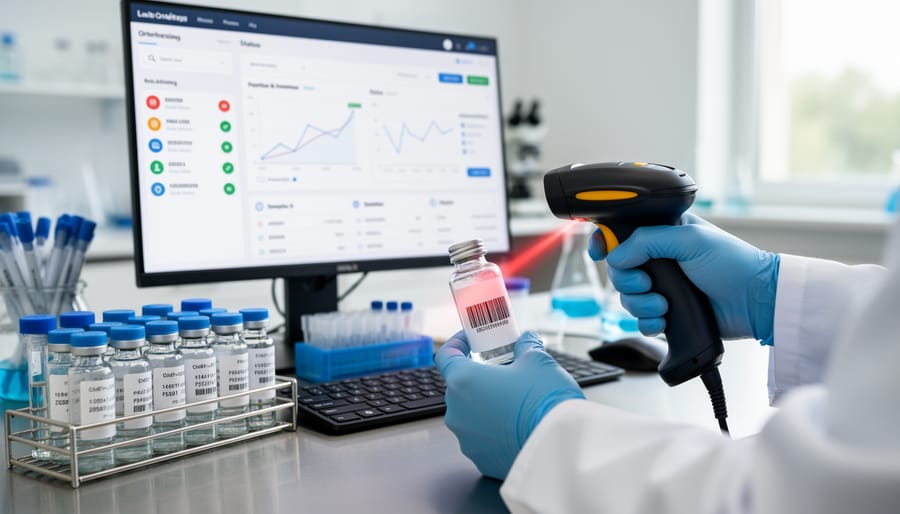
E-commerce has fundamentally changed how research peptides for sale reach buyers, increasing efficiency and transparency in procurement. Digital platforms now serve as primary interfaces for sourcing, offering detailed product catalogs, real-time inventory visibility, and technical documentation accessible at the point of need. These systems enable researchers and procurement teams to compare suppliers, review certifications, and validate product specifications without extensive manual outreach.
Advanced ordering platforms integrate directly with institutional procurement systems, streamlining approval workflows and purchase traceability. Automated reordering, online quote generation, and dynamic pricing tools further reduce administrative overhead. For suppliers, digital transformation supports granular customer analytics, targeted marketing, and rapid response to evolving demand.
The move toward digital commerce also facilitates compliance tracking and batch-level audit trails, enhancing quality assurance and regulatory alignment. As platforms continue to incorporate AI-driven search and customized recommendations, stakeholders can expect continued improvements in speed, accuracy, and transparency across the research peptide supply chain.
Sustainability and Ethical Sourcing Considerations
The research peptide industry faces mounting pressure to address environmental sustainability as synthesis processes generate significant chemical waste and solvent consumption. Leading suppliers have begun implementing green chemistry principles, adopting recyclable solvent systems and optimizing reaction pathways to minimize hazardous byproduct generation. Waste reduction initiatives now factor into procurement decisions, with institutional buyers increasingly requesting environmental impact data alongside quality certificates.
Ethical sourcing extends beyond environmental metrics to encompass labor practices and supply chain transparency. Major manufacturers document raw material origins and maintain third-party audits of production facilities to verify compliance with international labor standards. The shift toward sustainable practices carries cost implications, suppliers investing in cleaner synthesis technologies typically command 8-12% price premiums, yet growing numbers of research organizations now mandate sustainability criteria in vendor qualification processes, signaling that environmental stewardship is transitioning from competitive differentiator to baseline expectation within the research peptide marketplace.
Strategic Implications for Market Stakeholders
The research peptide supply market presents distinct strategic implications depending on stakeholder position. Pharmaceutical companies evaluating vendor relationships must weigh cost efficiency against data source reliability and quality assurance capabilities, particularly for compounds advancing toward clinical applications where regulatory scrutiny intensifies. Supplier consolidation trends suggest that establishing relationships with multiple vendors reduces supply chain vulnerability while maintaining competitive pricing leverage.
For biotech firms and research institutions, procurement strategies should incorporate long-term vendor assessment frameworks that evaluate not just current pricing but manufacturing scalability, custom synthesis capabilities, and technical support infrastructure. Organizations focused on novel peptide therapeutics gain competitive advantage by securing partnerships with suppliers demonstrating advanced synthesis technologies and rapid turnaround capabilities for modified sequences.
Investment sectors analyzing this market must recognize that market intelligence extends beyond revenue projections to include regulatory trajectory monitoring, technological disruption potential from automated synthesis platforms, and geographic demand shifts as emerging research hubs in Asia-Pacific increase purchasing power. Due diligence on suppliers should assess intellectual property portfolios, manufacturing facility certifications, and financial stability given the capital-intensive nature of quality peptide production.
Market entry timing considerations vary by stakeholder type. Suppliers entering this space face high barriers including specialized equipment requirements and quality certification timelines, while purchasers benefit from current market fragmentation that maintains competitive pricing. Risk assessment frameworks must account for regulatory volatility, particularly concerning cross-border peptide shipments, and potential supply disruptions from geopolitical factors affecting key manufacturing regions.
The research peptides market presents a complex, rapidly evolving landscape where reliable data shapes competitive advantage. Organizations navigating this $2.5 billion sector require comprehensive intelligence spanning manufacturing capabilities, regulatory environments, pricing mechanisms, and emerging technology trends to make informed procurement and strategic decisions.
Market dynamics analyzed throughout this examination underscore that successful participation demands more than identifying suppliers. Effective strategies integrate quality assurance metrics, supply chain resilience, regulatory compliance frameworks, and forward-looking trend analysis. The sector’s projected compound annual growth rate exceeding 8% through 2030 intensifies competition for both buyers and suppliers.
Access to trustworthy information becomes critical as market complexity increases. Decision-makers balancing cost optimization against research continuity, quality requirements, and regulatory adherence benefit from systematic market intelligence that accounts for regional variations, technological developments, and shifting demand patterns.
Organizations treating peptide procurement as a strategic function rather than a transactional activity position themselves to capitalize on market opportunities while mitigating supply chain vulnerabilities inherent in this specialized biotechnology sector.