
Compas research is a systematic market intelligence methodology that combines advanced analytical tools with human expertise to deliver actionable business insights through a unified service platform. Unlike traditional market research firms that rely primarily on manual data collection and interpretation, Compas integrates proprietary technology frameworks with experienced analysts to produce faster, more accurate strategic recommendations for corporate decision-makers.
The platform addresses a critical gap in contemporary market research: the disconnect between data volume and decision quality. Organizations today have access to unprecedented amounts of consumer information, yet many struggle to extract meaningful patterns that inform competitive strategy. Compas resolves this challenge by structuring research projects around specific business questions rather than generic industry reports, ensuring every dataset and analysis directly supports a defined strategic objective.
What distinguishes Compas in the market research landscape is its commitment to reliability through methodological transparency. Each research engagement operates on documented protocols that clients can review and validate, eliminating the opaque “black box” approach common among competitors. This transparency extends to data sourcing, analytical assumptions, and confidence intervals, giving business professionals the context needed to assess research quality independently.
This article explains how the Compas research methodology functions, examines the core components that comprise the platform, and demonstrates practical applications across different business scenarios. For organizations evaluating market intelligence providers in 2026, understanding these operational elements proves essential to selecting a research partner aligned with strategic needs and quality standards.
What Compas Research Means for Market Intelligence

Compas research represents a systematic methodology for collecting, analyzing, and delivering market intelligence through technology-enabled processes and rigorous quality controls. At its core, the approach combines advanced analytical tools with strict objectivity standards to produce market insights that business professionals can rely on when making strategic decisions. Unlike conventional market research methods that often involve lengthy timelines and subjective interpretation, Compas research leverages modern technology to be faster and more accurate while maintaining independence from commercial influence.
The platform functions as both a research methodology and a service infrastructure. As a methodology, it defines standardized procedures for data gathering, verification, and analysis that ensure consistency across all research outputs. As a service platform, it provides the technological backbone and quality assurance frameworks that transform raw market data into actionable intelligence for corporate decision-makers and market analysts.
- Market intelligence
- Processed and verified information about market conditions, trends, and competitive dynamics that supports strategic business decisions. It goes beyond raw data by providing context and relevance.
- Data reliability
- The degree to which research findings can be consistently replicated and trusted as accurate representations of market reality, free from methodological flaws or bias.
- Technology-driven analysis
- The use of advanced computational tools and platforms to process large data volumes, identify patterns, and extract insights with greater speed and precision than manual methods allow.
- Unbiased research
- Market intelligence gathered and analyzed without commercial influence or predetermined outcomes, ensuring findings reflect actual market conditions rather than stakeholder preferences.
What distinguishes Compas research from traditional approaches is the integration of these elements into a unified system. Where conventional methods might sacrifice speed for depth or accuracy for timeliness, the Compas framework maintains all critical quality dimensions simultaneously through technology infrastructure and process discipline.
How Compas Research Works
Technology Infrastructure
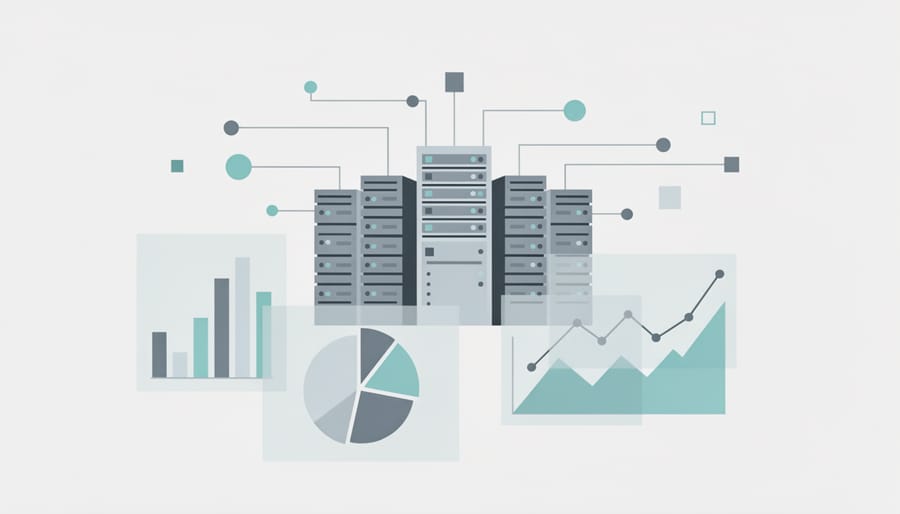
Compas research runs on a multi-layered technology stack designed to handle large-scale data operations while maintaining precision. The platform integrates cloud-based infrastructure for scalable storage and processing, enabling rapid analysis of datasets from multiple sources simultaneously. Automated data validation routines flag inconsistencies before analysis begins, reducing human error and accelerating turnaround times. The analytical engine supports quantitative methods alongside qualitative assessment tools, allowing researchers to apply statistical modeling, trend detection algorithms, and pattern recognition across complex market variables.
Real-time dashboards provide clients with immediate access to findings as research progresses, rather than waiting for final reports. The system tracks data lineage throughout the workflow, creating an audit trail that documents every transformation from raw input to final insight. Security protocols include encryption at rest and in transit, role-based access controls, and compliance frameworks that meet industry standards for sensitive business intelligence. This technological foundation supports the speed and reliability that distinguish Compas research from traditional manual approaches, allowing analysts to focus on interpretation rather than data wrangling.
Quality and Reliability Standards

Compas maintains data integrity through multi-stage verification processes that validate sources, cross-check findings against independent datasets, and flag outliers before publication. Every research output passes through quality assurance checkpoints where analysts review methodology, confirm statistical validity, and verify that conclusions align with evidence rather than assumptions.
Objectivity is enforced through standardized protocols that prevent bias at every stage. Researchers follow blind analysis procedures where possible, separating data collection from interpretation to avoid confirmation bias. The platform applies consistent criteria across all projects, ensuring that similar research questions receive comparable analytical treatment regardless of client expectations or market pressures.
Reliability standards align with industry benchmarks, including principles outlined in MRS data quality guidance for transparency and methodological rigor. Compas documents data provenance, tracks changes through version control, and maintains audit trails that allow independent verification of research processes. Regular calibration exercises compare Compas findings against established market indicators to confirm accuracy over time, while systematic review cycles update methodologies to reflect evolving best practices in market intelligence.
Core Components of Compas Research
Compas research operates through an integrated system of four primary components that work together to produce accurate, actionable market intelligence. Each element plays a distinct role in transforming raw information into reliable data that business professionals can use with confidence.
The foundation of the methodology rests on diverse data sources that provide comprehensive market coverage. Primary sources include direct surveys, interviews with industry participants, and proprietary data collection instruments designed to capture current market conditions. Secondary sources supplement this foundation with government statistics, industry publications, financial reports, and verified third-party databases. This dual-source approach ensures both freshness and validation, reducing the risk of relying on single-channel information that might contain gaps or biases.
Analytical frameworks form the second component, translating raw data into meaningful insights through structured methodologies. Compas employs statistical analysis techniques, trend identification algorithms, comparative benchmarking processes, and scenario modeling to extract patterns and correlations from complex datasets. These frameworks follow documented protocols that maintain consistency across different research projects, allowing users to compare findings across time periods and market segments with confidence in the underlying methodology.
Technology platforms constitute the operational backbone, encompassing:
- Primary and secondary data sources integrated through centralized collection systems
- Analytical methodologies powered by advanced statistical and machine learning tools
- Technology platforms that process, store, and manage large-scale datasets
- Quality assurance systems that validate data accuracy and flag anomalies
- Reporting and visualization tools that present findings in accessible formats
- Update and maintenance protocols ensuring continuous data currency
These platforms automate repetitive tasks while maintaining human oversight at critical decision points, balancing efficiency with the judgment that only experienced researchers provide.
The fourth component addresses delivery mechanisms that make research accessible to end users. Compas structures outputs through customizable dashboards, detailed written reports, data exports for further analysis, and API access for organizations needing programmatic integration. Delivery formats adapt to different use cases, executives receive executive summaries highlighting strategic implications, while analysts access granular datasets for deeper investigation.
Together, these components create a research ecosystem where each element reinforces the others. Data quality improves analytical accuracy, technology enables faster processing, and flexible delivery ensures insights reach decision-makers in usable formats. This integrated approach supports the core mission of providing market intelligence that businesses can trust when making consequential strategic choices.
Applications and Use Cases in Business Decision-Making
Organizations deploy Compas research across five primary decision-making contexts, each requiring different data configurations and analytical frameworks. The methodology’s emphasis on objectivity and current data makes it particularly valuable when business leaders need to act on reliable intelligence rather than assumptions or outdated reports.
Strategic planning teams use Compas research to establish baseline market conditions before setting multi-year objectives. This application requires comprehensive industry data, competitor positioning, and macroeconomic indicators that inform realistic growth targets and resource allocation. Companies entering annual planning cycles rely on this research to validate their strategic assumptions against actual market dynamics, ensuring plans align with observable trends rather than wishful projections.
Competitive analysis represents the most frequent application. Businesses use Compas research to track competitor positioning, pricing strategies, market share shifts, and product launches in near-real-time. This intelligence helps marketing and product teams adjust tactics quickly, identifying gaps in competitor offerings or defending against new entrants. The research’s commitment to unbiased data collection, similar to how the NIST mission prioritizes measurement standards, ensures competitive insights reflect market reality rather than selective interpretation.
Trend identification helps organizations spot emerging patterns before they become obvious to competitors. Market analysts monitor Compas research outputs to detect shifts in customer preferences, regulatory changes, or technological disruptions that signal coming market transitions. Early detection allows businesses to reposition products, adjust messaging, or reallocate budgets while competitors remain reactive.
Risk assessment applications focus on operational and market-entry decisions. Companies evaluating new geographic markets use Compas research to gauge demand levels, regulatory complexity, competitive intensity, and infrastructure requirements. This due diligence reduces the likelihood of costly missteps by grounding expansion decisions in concrete data rather than optimistic forecasts. Similarly, procurement and supply chain teams use market intelligence to assess supplier stability and commodity price trends, managing operational risk through informed vendor selection and contract timing.
Performance benchmarking rounds out the primary use cases. Organizations compare their metrics, sales growth, market penetration, customer acquisition costs, against industry standards derived from Compas research data. This context helps executives determine whether underperformance stems from internal execution issues or broader market headwinds, directing corrective action appropriately.
Compas’ Mission, Vision, and Values in Practice
Compas translates its foundational principles into tangible research outcomes through deliberate design choices embedded in every project stage. The mission to deliver reliable market intelligence drives the adoption of multi-source verification protocols, where data points undergo cross-referencing against independent datasets before publication. This commitment to reliability extends to transparent methodology disclosures that allow clients to assess the rigor behind each insight rather than accepting conclusions on faith alone.
The vision of serving as a trustworthy source for strategic guidance shapes client interactions and deliverable formats. Researchers structure reports to separate verified findings from interpretive analysis, enabling decision-makers to distinguish between established facts and professional judgment. When conducting economic policy analysis or sector assessments, the platform presents data ranges and confidence intervals rather than false precision, acknowledging inherent uncertainties in forward-looking market evaluations.
Core values materialize through specific operational practices. Objectivity governs source selection criteria, with preference given to government statistical agencies, industry associations, and peer-reviewed research over promotional materials or single-interest advocacy. Quality standards manifest in mandatory review cycles where senior analysts validate junior researchers’ work, checking for logical consistency, citation accuracy, and balanced representation of contradictory evidence. Modernization appears in the continuous integration of enhanced analytical tools that automate routine data processing tasks, freeing researchers to focus on interpretation and pattern recognition that requires human expertise.
These principles function as practical guardrails rather than aspirational statements. When project timelines compress, quality standards determine which corners cannot be cut, data verification remains non-negotiable even when preliminary findings could meet deadlines. This values-driven approach creates consistency across research products, establishing predictable reliability that business professionals depend on when allocating resources based on Compas intelligence.
Compas research stands as a modern solution to the persistent challenge of obtaining reliable market intelligence in a business environment where timely, accurate data drives strategic success. By combining advanced technology infrastructure with rigorous quality standards, the platform delivers market insights that meet the precision requirements of today’s corporate decision-makers.
The methodology reflects a deliberate alignment between operational capability and organizational principles. Compas’ commitment to objectivity, reliability, and continuous modernization isn’t abstract positioning, it shapes every stage of the research process, from data collection protocols to final insight delivery. This integration ensures that the platform produces consistently trustworthy intelligence rather than variable-quality outputs.
For business professionals evaluating market research sources, the distinction matters. Choosing a research platform means selecting not just a data provider but a foundation for strategic decisions that carry real financial and operational consequences. Compas research addresses this responsibility through systematic quality assurance, transparent methodology, and technology that prioritizes accuracy over speed alone.
The platform’s value lies in its recognition that market intelligence serves a specific purpose: enabling informed decisions under conditions of uncertainty. By maintaining high standards for data quality and analytical rigor, Compas research provides the reliable foundation businesses require when making strategic commitments in competitive markets.
Frequently Asked Questions
Understanding the methodology and capabilities of Compas research often raises specific questions for business professionals evaluating market intelligence options. The following addresses the most common inquiries about how the platform operates, what it covers, and who can benefit from its services.
What makes Compas research different from traditional market research?
Compas research distinguishes itself through advanced technology infrastructure that accelerates data processing and delivery while maintaining rigorous quality standards. The platform prioritizes objectivity and eliminates bias through systematic protocols, providing market intelligence that reflects actual conditions rather than interpretative frameworks common in conventional research approaches.
How frequently is data updated in Compas research?
Update frequency varies by data type and market segment, with the technology infrastructure enabling near-real-time processing for certain datasets. The platform continuously monitors relevant markets and refreshes information as new data becomes available, ensuring business professionals access current intelligence rather than outdated snapshots.
What industries does Compas research cover?
The platform spans multiple business sectors where market intelligence drives strategic decisions, including technology, finance, retail, healthcare, and manufacturing. Coverage extends across both established markets and emerging sectors where decision-makers require reliable data to assess opportunities and risks.
Can small businesses benefit from Compas research?
Organizations of all sizes can leverage Compas research for decision-making, as the platform’s focus on accuracy and objectivity serves any business requiring trustworthy market intelligence. Small businesses gain access to the same quality standards and technology-driven insights that inform larger corporate strategies, leveling the information advantage previously available only to enterprises with extensive research budgets.
Business professionals considering Compas research should evaluate their specific intelligence needs against the platform’s capabilities. The methodology proves most valuable when decisions hinge on accurate, unbiased market data rather than anecdotal evidence or outdated industry reports. Organizations seeking competitive advantage through information quality find the platform’s commitment to reliability and objectivity aligns with strategic planning requirements that demand precision over approximation.